ISCC PLUS Certification Achieved for Three Sustainable Products
Published April 30, 2026
In 2025, Roquette in Italy obtained International Sustainability and Carbon Certification (ISCC) PLUS for three plant-based products – native starch, glucose, and BIOSUCCINIUM® bio-succinic acid.

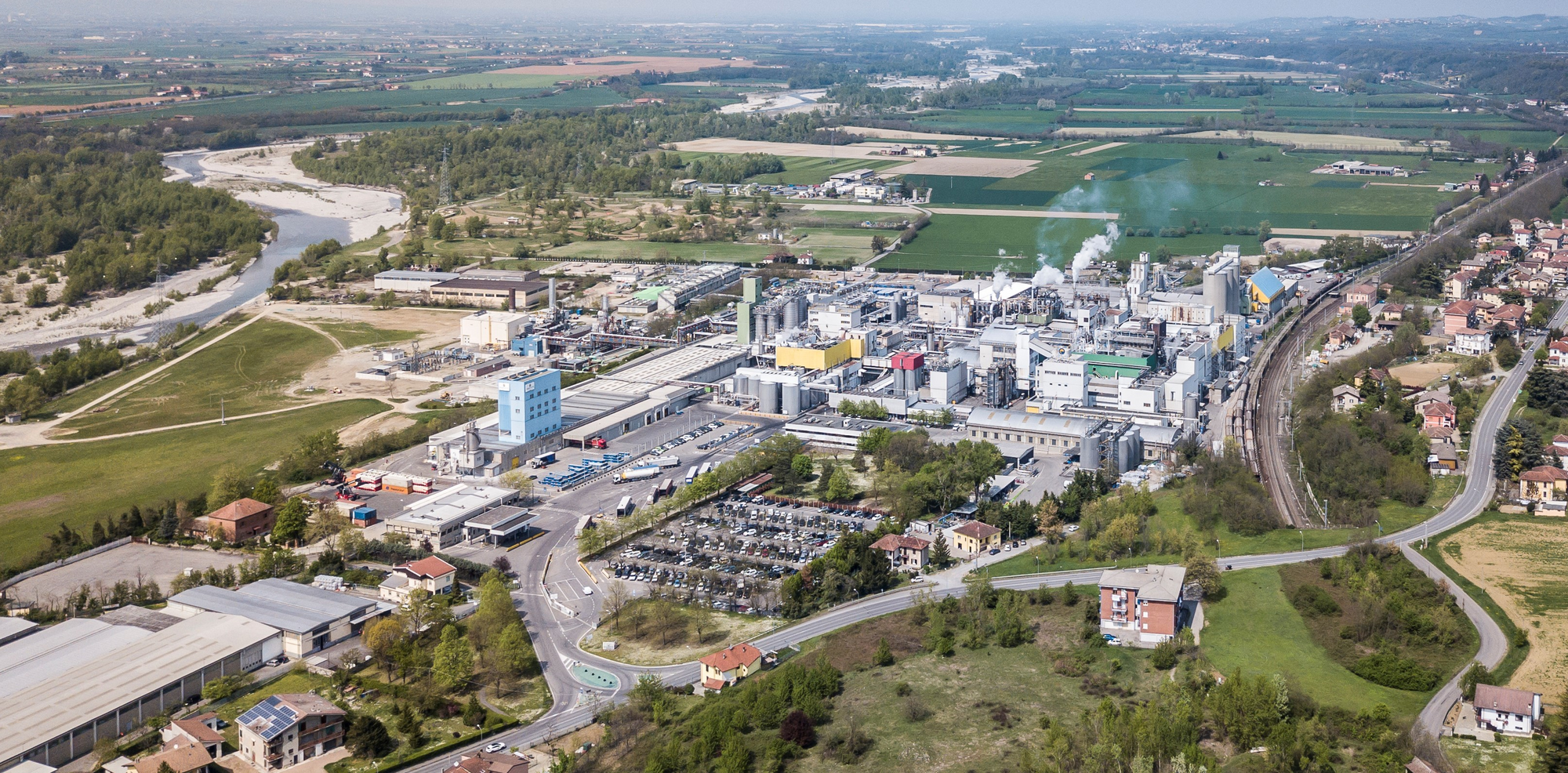
Roquette continues to develop its offer for more sustainable products to meet market needs. In 2025, Roquette in Italy obtained International Sustainability and Carbon Certification (ISCC) PLUS for three plant-based products – native starch, glucose, and BIOSUCCINIUM® bio-succinic acid – in partnership with one of its customers in Italy.
This certification, already in place at Roquette’s Lestrem site in France for POLYSORB® isosorbide, verifies compliance with the highest standards of sustainability and environmental responsibility for bio-based and circular (recycled) raw materials. These products are used in consumer goods, packaging, and industrial chemicals.

Certified sustainable products support customers
The following three certified products, made from corn at Roquette’s Cassano Spinola site in Italy, support customer demand for responsible sourcing.
BIOSUCCINIUM® is a 100% bio-based succinic acid, enabling the creation of biodegradable polyesters such as PBS and PBSA. These materials deliver the flexibility, toughness, and performance required for compostable films, bags, and food service items – facilitating biodegradability and supporting circular waste streams.
Starch is a key ingredient in the production of bioplastics, which are environmentally friendly alternatives to traditional petroleum-based plastics. These bioplastics are used in packaging materials, disposable cutlery, and other products that require short-term use and easy decomposition. Starch is combined with other biodegradable polymers to enhance the mechanical properties of bioplastics, making them suitable for a wider range of applications for composite materials.
Glucose, a simple sugar derived from starch, serves as a carbon source for microorganisms such as bacteria, yeasts, and fungi, supporting their growth and metabolism. These microorganisms convert glucose to produce microbial biomass or various fermentation products, for example, enzymes, amino acids, antibiotics, organic acids, and ethanol. Starch and its derivatives are widely used as carbon sources in the fermentation industry due to its abundance, consistency, cost-effectiveness, and efficiency in supporting microbial growth and metabolite production.
Collaboration for sustainable success and responsible sourcing
This ISCC PLUS achievement was the result of close collaboration between local teams in Italy and Roquette’s cross-functional departments: production, quality control, purchasing, logistics, sales, marketing, and sustainable development. It is testament to Roquette’s commitment to sustainability in partnering with customers and responding to market and consumer needs.
The certification further strengthens Roquette’s sustainable offering and responsible sourcing for European and global customers as a key player in the transition to more environmentally friendly solutions.